


Swing tags for shoes may seem like small details, but they play a pivotal role in brand identity, consumer communication, and aesthetic appeal. In a competitive retail landscape where every touchpoint matters, these tags function as a vital extension of a shoe brand’s message. Not only do they convey product information, but they also help create a memorable unboxing experience.
This article dives deep into the world of swing tags for shoes, exploring how they merge functionality and style, and why investing in well-designed swing tags is essential for modern footwear brands in 2025.
What Are Swing Tags for Shoes?
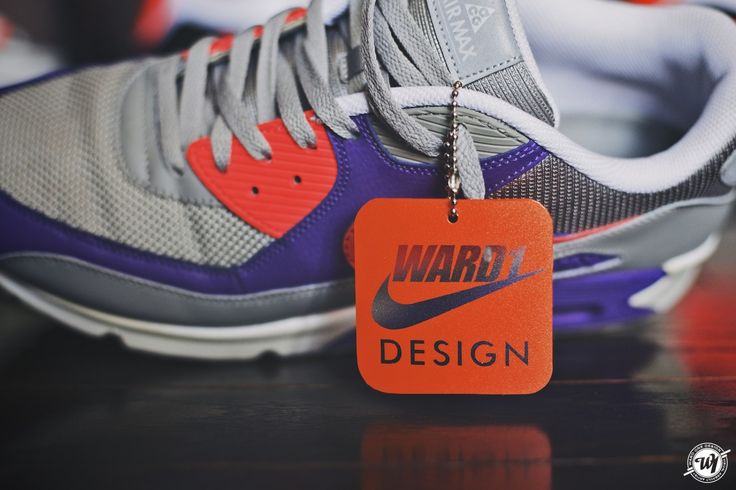
Swing tags are small, often card-based labels attached to products — in this case, shoes — using string, twine, or plastic loops. Unlike permanent labels or stickers, swing tags are removable and are designed to provide important product and branding information.
Key Functions of Shoe Swing Tags:
- Branding: Logos, brand colours, and slogans.
- Product Info: Size, material, price, origin.
- Care Instructions: Tips to prolong the life of the shoes.
- Legal Compliance: Certifications, safety info, eco-disclaimers.
The Dual Role: Functionality Meets Style
Functionality
Swing tags for shoes must deliver clear and concise information that supports consumer decision-making. Whether in a retail store or through e-commerce packaging, functional swing tags can influence buyer trust and reduce product returns.
Examples of functional swing tag information:
- Material authenticity (e.g., “100% genuine leather”)
- Origin and sustainability claims (e.g., “Made in the UK” or “Eco-certified materials”)
- QR codes linking to brand websites or tutorials
Style
In 2025, design is more important than ever. A stylish swing tag can reinforce a brand’s image, reflect its tone, and enhance product perception. Minimalist tags for premium leather shoes or colourful, quirky tags for kids’ sneakers — the possibilities are endless.
Popular Materials for Shoe Swing Tags
Material choice speaks volumes about a brand’s identity. Below are some of the most used materials in 2025 for shoe swing tags:
| Material | Description |
|---|---|
| Kraft Paper | Eco-friendly, rustic appeal, perfect for sustainable brands |
| Coated Cardboard | Durable and print-friendly, ideal for full-colour designs |
| Recycled Paper | Aligns with environmental values, popular among ethical shoe brands |
| Plastic/PVC | Waterproof and sleek, often used in sports shoe tags |
| Fabric Tags | For luxury and handmade shoes, using cotton or linen with embroidery |
Swing Tags Design Trends in 2025
Design innovation is at the heart of swing tags for fashion, especially in the footwear industry. Based on emerging trends, here are the most notable design directions:
1. Minimalist Swing Tags
Clean lines, neutral colours, and sans-serif fonts dominate. These tags appeal to premium and modern aesthetic-conscious consumers.
2. Interactive Tags
Including QR codes, AR integration, or video links allows customers to engage with the brand story, product journey, or care guide.
3. Eco-Themed Designs
Swing tags now often showcase green-themed illustrations, recyclable icons, or carbon-offset logos to appeal to eco-conscious buyers.
4. Die-Cut and Custom Shapes
Custom shapes (like sneakers, logos, or initials) create a unique visual identity. These creative swing tag ideas elevate product presentation.
5. Typography-Centric Tags
Brands increasingly rely on expressive typography as a primary design element, sometimes foregoing logos entirely for impactful text.
Why Swing Tags Are Vital in Shoe Branding
Enhancing Brand Identity
From colour schemes to fonts and finishes, swing tags reinforce branding at a glance. For new or boutique shoe brands, tags are often the first tangible brand contact.
Supporting Marketing Strategies
Limited edition shoes often feature branded swing tags with serial numbers, collector messages, or influencer collaboration info.
Increasing Product Perceived Value
A luxury shoe tag with embossed print, metallic foils, or soft-touch lamination can significantly increase a product’s perceived quality.
Sustainability in Swing Tags: A Rising Consumer Demand
Today’s consumers are not just buying shoes — they’re buying values. Eco-friendly swing tags made from recyclable materials or printed with soy inks help brands resonate with green shoppers.
Tips for Creating Sustainable Swing Tags:
- Use FSC-certified papers.
- Choose biodegradable strings (e.g., jute, hemp).
- Print using water-based inks.
- Clearly state eco-values on the tag.
Customization and Printing Options
Modern brands demand flexibility. Thankfully, advancements in swing tag printing now allow for extensive customization.
Custom Features Available:
- Embossing & Debossing
- Spot UV
- Foil Stamping
- Edge Painting
- Variable Data Printing (VDP)
Swing Tags with String: A Finishing Touch
The attachment string isn’t just practical — it’s a style element. Popular string choices in 2025 include:
- Cotton twine for artisanal shoes
- Black satin ribbon for luxury labels
- Natural jute for eco brands
- Waxed cord for durability
Real-Life Applications and Examples
1. Sports Brands
Nike and Adidas incorporate tech by embedding QR codes on swing tags, offering access to training videos or athlete testimonials.
2. Luxury Brands
High-end labels like Jimmy Choo or Christian Louboutin use embossed swing tags with foil finishes and silk cords to match their premium image.
3. Sustainable Footwear Startups
Brands like Allbirds and Veja focus on kraft swing tags with transparency about sourcing and recycling.
How to Design the Perfect Swing Tag for Shoes
Step-by-Step Guide:
- Define Your Brand Message
What should the tag communicate: luxury, sustainability, fun? - Choose the Right Material
Match material to the message (e.g., kraft paper for eco-focus). - Design for Impact
Use professional design software or hire a designer to ensure print-readiness. - Select the String Wisely
Coordinate with the overall shoe style — rugged, refined, playful, or minimal. - Partner with Reputable Printers
Ensure high-quality output that matches your retail or e-commerce standard.
Key Considerations for Swing Tag Success
| Factor | Tip for Optimization |
|---|---|
| Size | Keep it readable but not bulky (typically 50x90mm works well) |
| Durability | Use lamination or thicker cardstock for long shelf life |
| Legibility | High contrast between text and background |
| Regulatory Info | Include care, safety, or material disclosures if required |
| Eco Claims | Back up sustainability statements with proof or certifications |
Small Tags, Big Impact
In the world of shoe retail, swing tags may be small, but their influence is profound. They’re storytellers, brand ambassadors, and functional guides all in one. Whether you’re an established brand or a startup, investing in thoughtfully designed, functional, and stylish swing tags for shoes can set your product apart in a crowded market.
By combining utility with aesthetics, and aligning with 2025 best practices — including sustainability, interactivity, and clear brand messaging — swing tags become more than just labels; they become a strategic asset.
If you’re a designer, retailer, or brand manager in the shoe industry, don’t overlook the potential of swing tags. With the right strategy and execution, they can be one of the most cost-effective tools to enhance product value, support sustainability goals, and boost customer engagement.